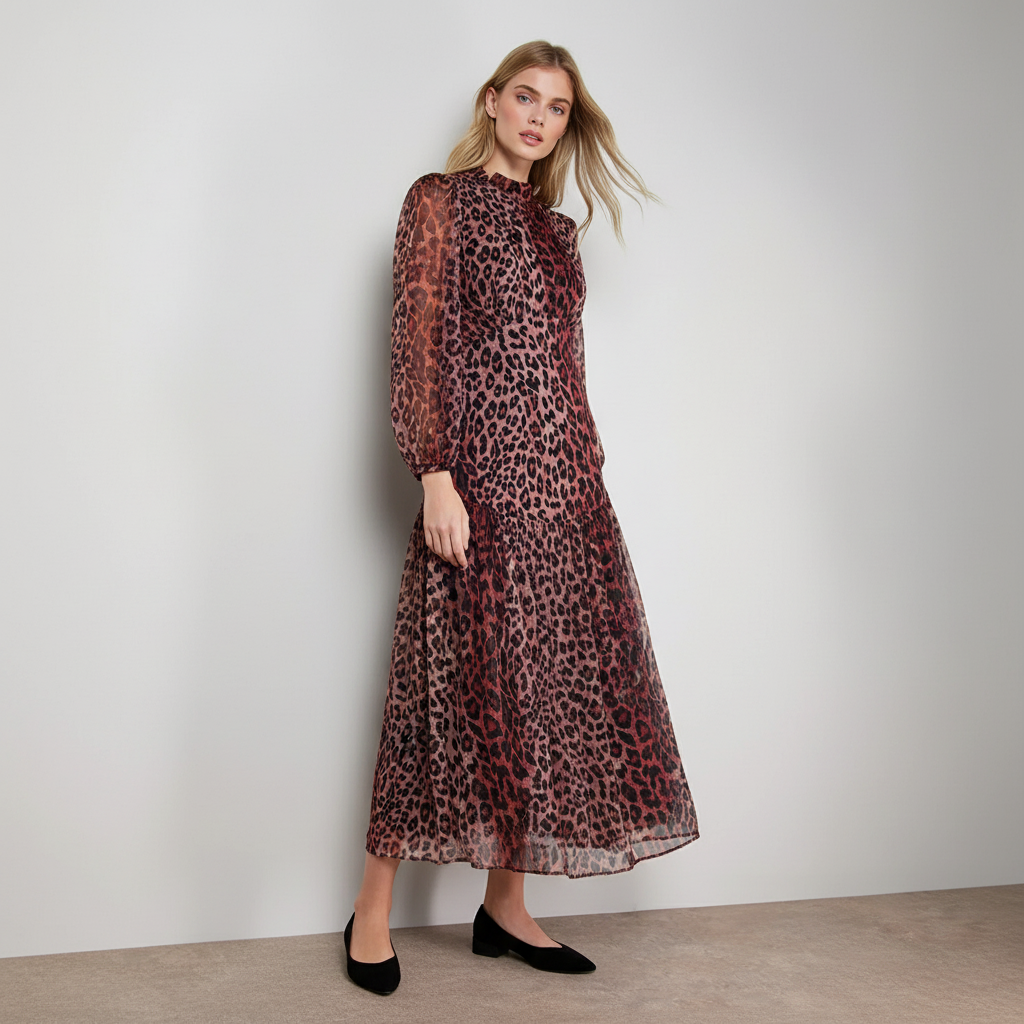
Modest Mother of the Bride Dresses: A Mother of the Kallah Guide
Modest mother of the bride dresses for a frum chasunah: when to start, rent vs. buy, colors that photograph well, and fabrics that last a five-hour night.
As an Amazon Associate, The Market Drop earns from qualifying purchases. This post may contain other affiliate links — we may earn a commission on purchases made through them.

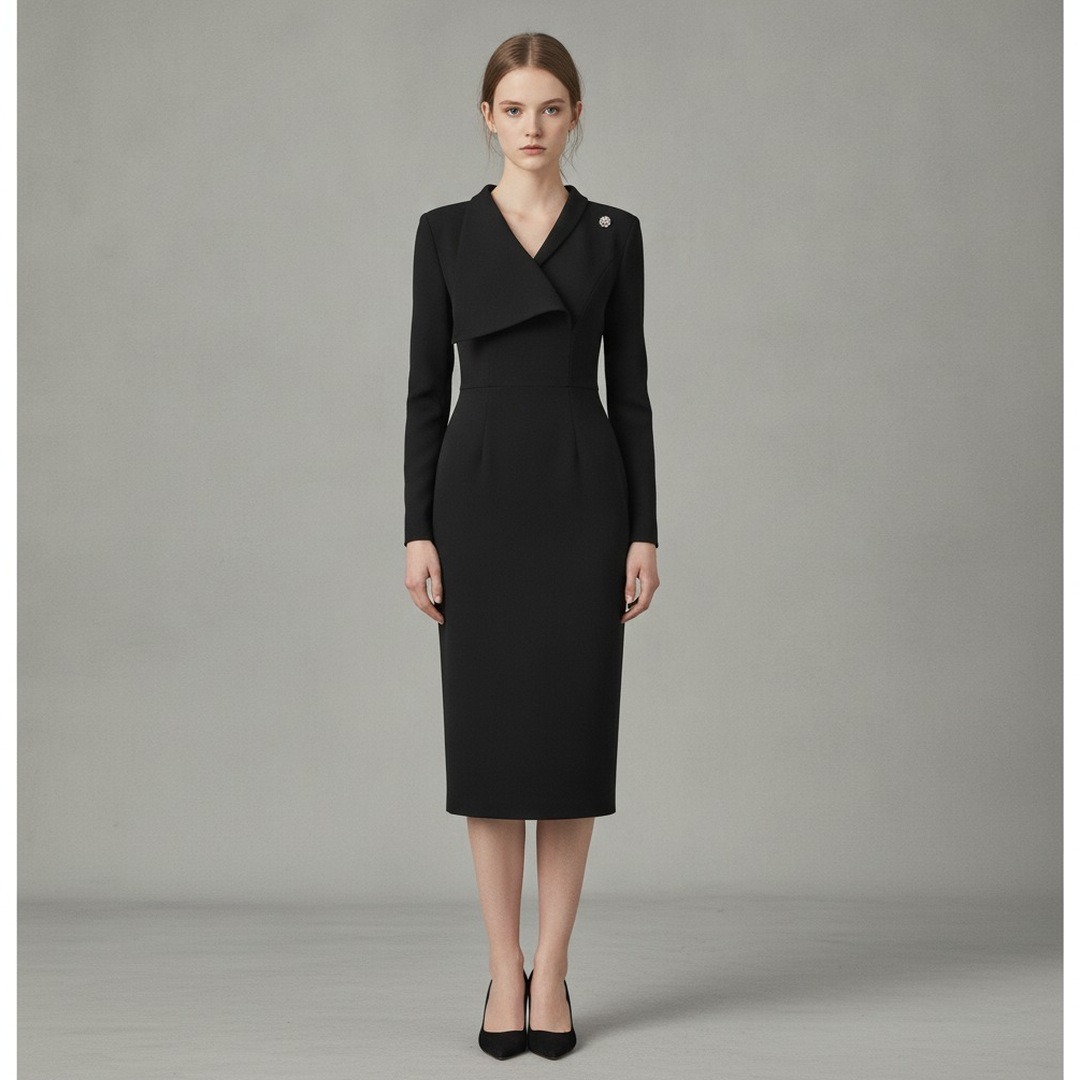
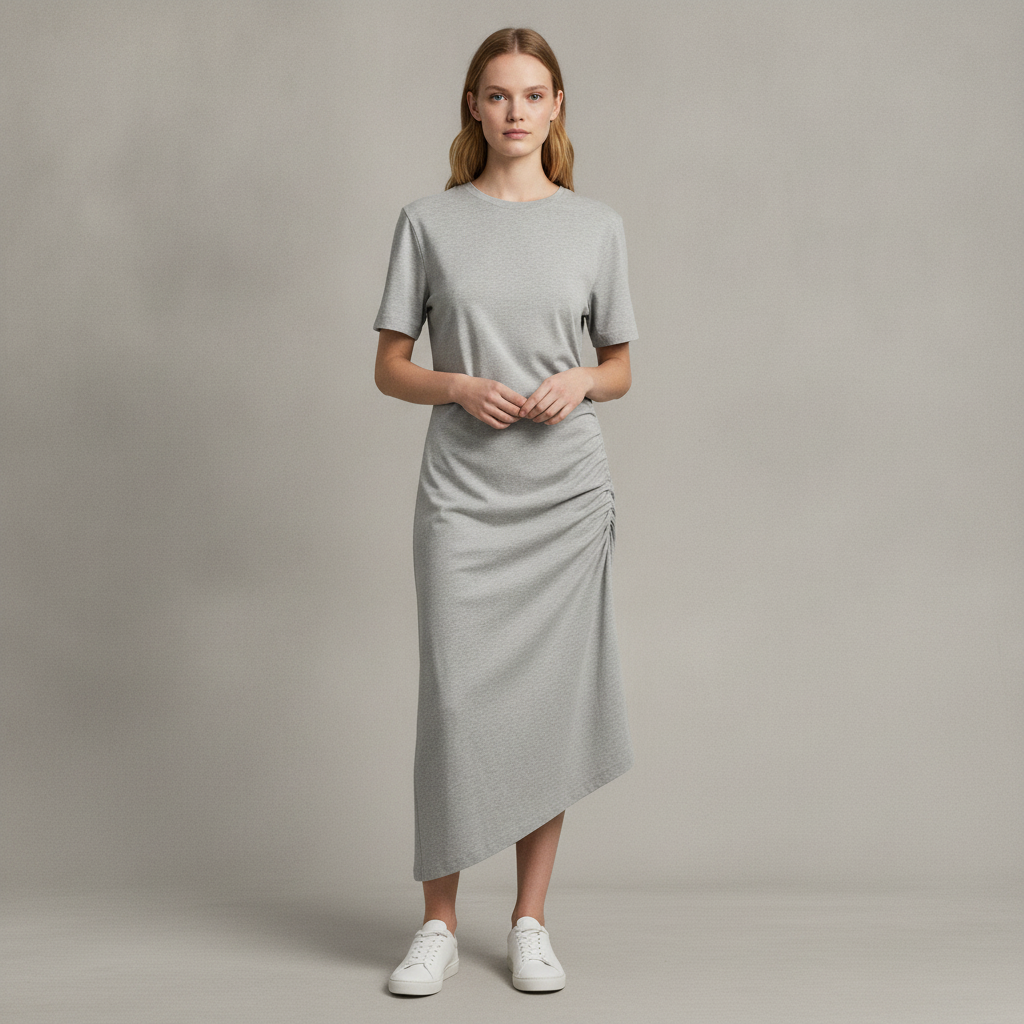
You've been planning this chasunah in your head since she was in pre-1A. Now the date is set, the hall is booked, and the one thing nobody can decide for you is what you're wearing. Modest mother of the bride dresses are their own category. You need a gown that's elegant enough for the chuppah, comfortable enough for five hours on your feet, and modest from every angle a photographer might find.
Here's how to get it right without losing your mind (you have plenty of other things to lose it over).
Start earlier than feels necessary
The engagement period goes fast. Between the vort, the l'chaim, the apartment hunt and the shopping with the kallah, your own gown slides to the bottom of the list.
Don't let it. Custom gowns and serious alterations take eight to twelve weeks, and the best rental salons book appointments weeks out during wedding season. Start looking right after the vort, even if it's just to try silhouettes and see what you like.
Rent, buy, or have it made
Renting. In our communities, this is completely normal and often the smartest choice. A rental salon lets you wear a full, structured gown that would cost a small fortune to own, and they handle the alterations. Ask how many times the gown has been rented and check seams, hems and zippers closely.
Buying ready-made. A good option if you want a simpler, more versatile gown, or if you have more children close behind. A gown you own can come back for the next chasunah, an aufruf or a sheva brachos (with different accessories, nobody remembers).
Custom. The most control, the most fittings. Worth it if you need a fit that's hard to find off the rack, a specific vision, or a seamstress you trust.
Whichever you choose, browse the gowns edit first. Even if you end up renting, it helps to know which silhouettes and colors you actually like before you walk into a salon.
Coverage, checked from every angle
A mother of the kallah gown needs the same tznius basics as any simcha gown, with a few extra checks because you'll be photographed from everywhere.
Neckline. A jewel or high neckline is the safest. Boat necks can slide when you hug people, and you will hug about three hundred people.
Sleeves. Full length or at least well past the elbow, with enough room to lift your arms. Test this. You'll be raising your arms to dance, to fix the kallah's veil, to wave across the hall.
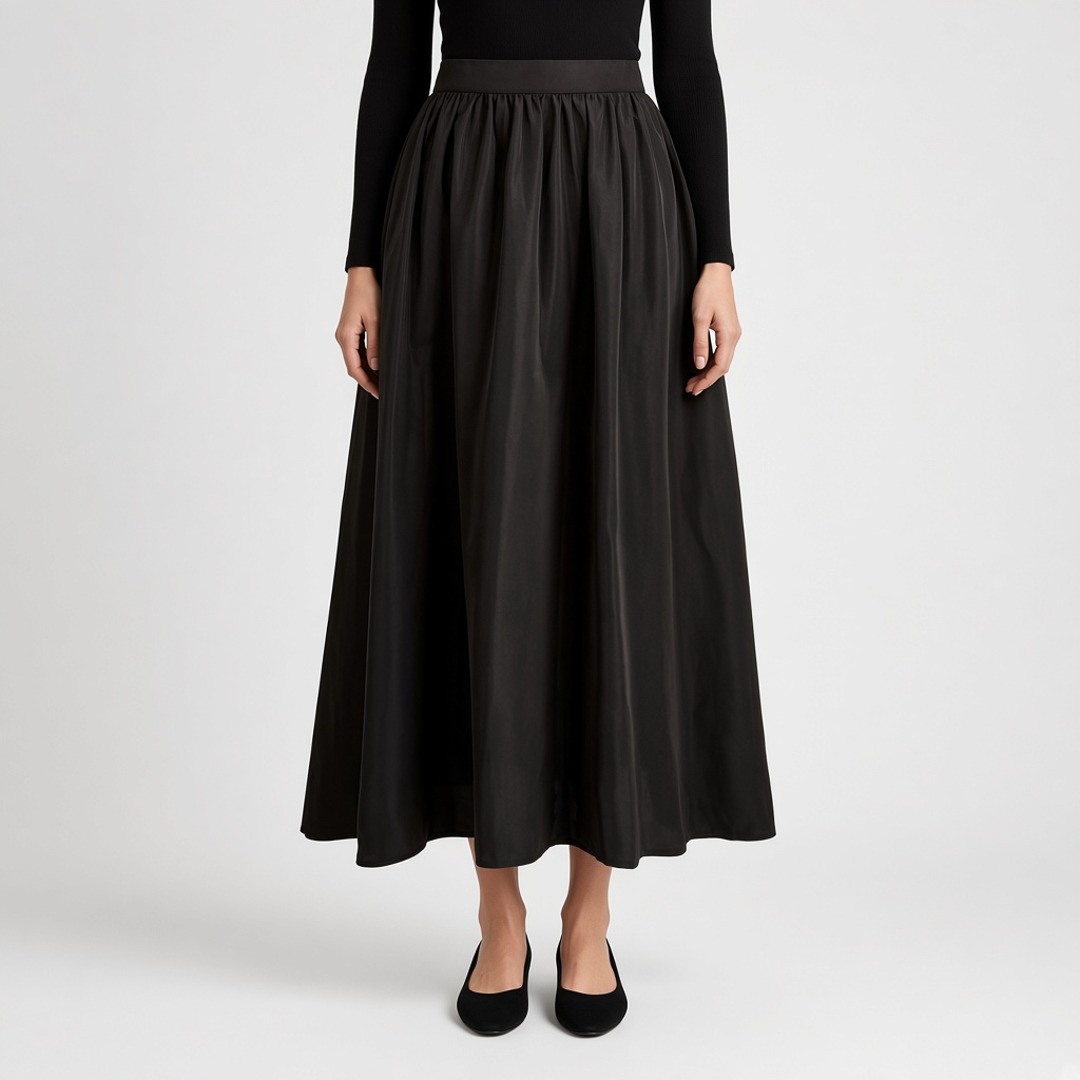
Length. Floor-length or just above. Walk up and down stairs in it during the fitting, since the walk down to the chuppah often includes steps.
Fabric weight. Bright photography lights and flash can make thin fabric see-through. Hold the fabric up to a strong light. A proper lining or a smooth shell fixes most problems; our slip guide explains what to wear underneath.
For more on the coverage rules for formal gowns, the tznius wedding gowns guide covers necklines, sleeves and fabrics in detail.
Colors that photograph well
Navy. The most popular choice for a reason. Elegant, flattering, and it never looks dated in the album.
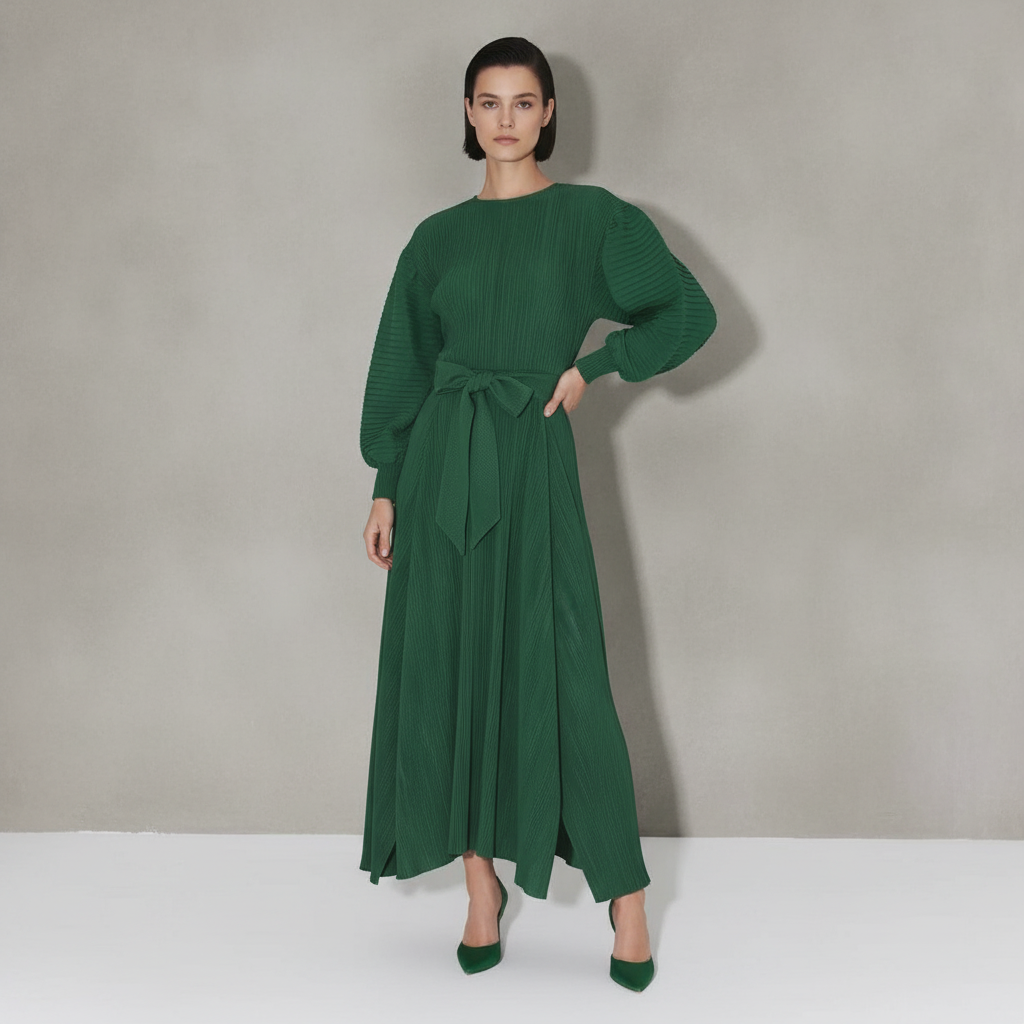
Deep green or emerald. Rich and warm, especially for a winter chasunah.
Champagne, gold or silver. Soft and festive. Just make sure it doesn't read too close to white next to the kallah.
Dusty rose, mauve or blush. Lovely for a spring or summer wedding.
Black. Some families love it, some avoid it at a simcha. Ask how your family and the chosson's family feel before committing.
Coordinating with the mechuteniste is a kindness, not a requirement. A five-minute phone call early on to say "I'm leaning toward navy, what are you thinking?" makes the family photos look cohesive.
Built for the whole night
A chasunah is a marathon. You'll be on your feet from the badeken through the last dance.
Stretch matters. A little give in the fabric makes the difference between comfortable and counting the minutes. Crepe with stretch, jersey-backed lace and soft satin all move well.
Shoes you can actually stand in. Buy them early and break them in around the house. Bring flats in a bag for the dancing.
Pockets, if you can get them. For tissues, a phone, and the bobby pins someone will need at 11pm.
Plan the sheitel with the gown. Book your sheitel macher or stylist for the morning of, and bring a photo of the neckline so the style works with it.
Don't forget the rest of the family
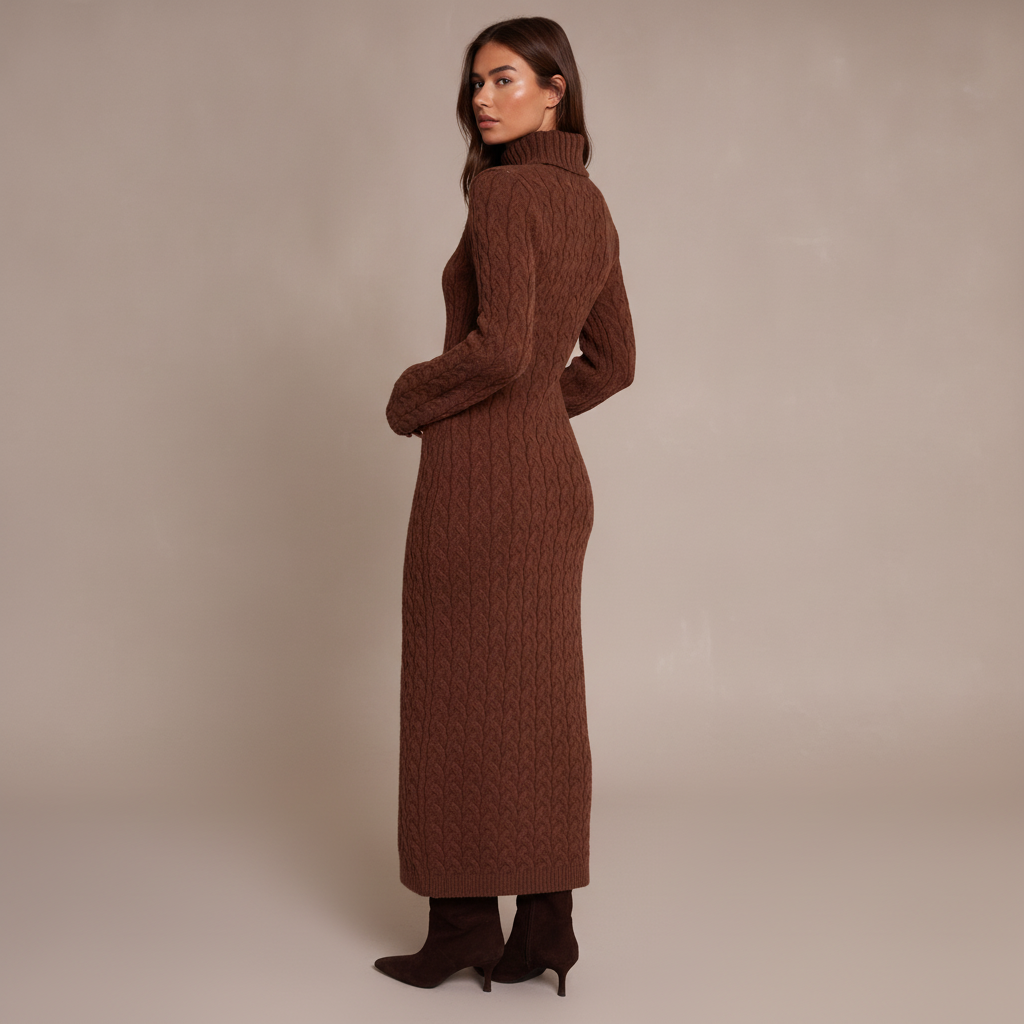
Your daughters, daughters-in-law and the little ones need outfits too, and coordinating everyone is a project in itself. Pick a color family early and let each person choose their own style within it. The dresses edit is a good starting point for sisters and sisters-in-law, and the family matching collection has coordinated pieces for the younger kids.
The gown matters, but you're not the one everyone will be looking at. Choose something comfortable enough that you forget you're wearing it, and you'll remember every minute of the night.
Frequently asked
- When should the mother of the kallah start looking for a gown?
- Start as soon as the date is set. Custom gowns and alterations often need eight to twelve weeks, and rental salons book up fast during wedding season. Two to three months before the chasunah is the comfortable minimum.
- Should the mother of the bride rent or buy her gown?
- Renting is very common in frum communities and makes sense if you want a full evening gown you probably won't wear again. Buying makes sense if you have more children to marry off soon or want a simpler gown you can rewear at other simchos.
- Does the mother of the bride have to match the mother of the groom?
- No, but it's a nice touch to coordinate. Many families agree on a color family, or at least avoid clashing, so the photos look cohesive. A quick conversation with the mechuteniste early on saves stress later.
More from The Edit