
Modest Running Clothes That Actually Wick (And Don't Ride Up)
Modest running clothes for real runners — what wicks, what stays put, and the 6 pieces that get you through Sunday miles, summer heat, and the school 5K.
As an Amazon Associate, The Market Drop earns from qualifying purchases. This post may contain other affiliate links — we may earn a commission on purchases made through them.
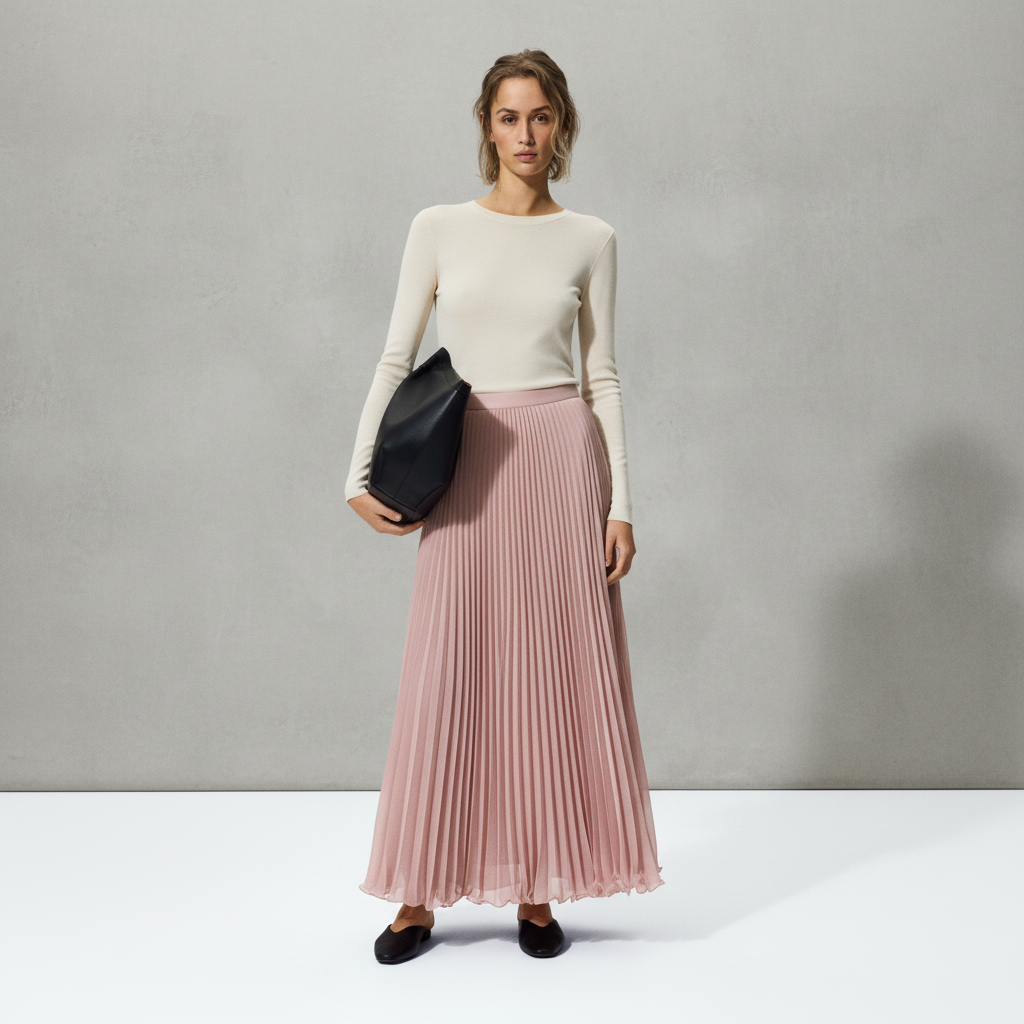
# Modest Running Clothes That Actually Wick (And Don't Ride Up)
You signed up for the school 5K. You looked in your closet. You realized none of your modest running clothes are actually built to run in.

That cotton long-sleeve tee? It will hold every ounce of your sweat by mile two. The denim midi skirt is non-starter. The leggings under the skirt setup you tried last summer chafed.
Real modest running clothes solve all of this — they wick, they breathe, they stay put. The trick is buying the right six pieces, not stockpiling more of what you already have.
What "wicking" actually means
Wicking fabric pulls sweat off your skin and pushes it to the outside of the garment, where it can evaporate. Cotton does the opposite — it absorbs and holds. That's why a damp cotton tee feels heavy and cold; it's literally sitting wet against your skin.
Polyester, polyester-spandex blends, nylon-spandex blends, and most performance fabrics wick. Mesh panels at the underarms and back wick faster because air can move through them.
The shorthand: if the tag says "performance," "technical," "dri-fit," "moisture-wicking," or names a specific tech fabric, it wicks. If it says "soft cotton tee," it doesn't.
The 6 pieces you actually need
1. A long-sleeve technical top in black. The base layer. Lightweight polyester-spandex with thumb holes if you can find them. Worn on its own in cooler weather, layered under a tank in warmer weather. Should feel like nothing on your arms.
2. A long-sleeve technical top in a lighter color. Same fabric, but in cream, dusty blue, or sage. Lighter colors reflect more heat — meaningful in July. Two colors mean you can run back-to-back days without doing laundry overnight.
3. A running skirt with built-in liner. This is the make-or-break piece. The skirt should fall just past the knee. The liner underneath should be a 4–6 inch compression short, not bike shorts, not boy shorts. Compression keeps it from riding up; the short length keeps it from sticking out below the skirt.
4. A pair of long running tights. Black, full-length, with a high waistband. Worn alone (under a longer top) or under a skirt for cooler weather. Make sure the waistband actually stays — running pants that slip mid-run are worse than no running pants.
5. A breathable headband or running cap. Sweat in the eyes is its own problem. A wicking headband or a lightweight running cap with a brim solves it. The cap also gives you sun protection on long Sunday miles.
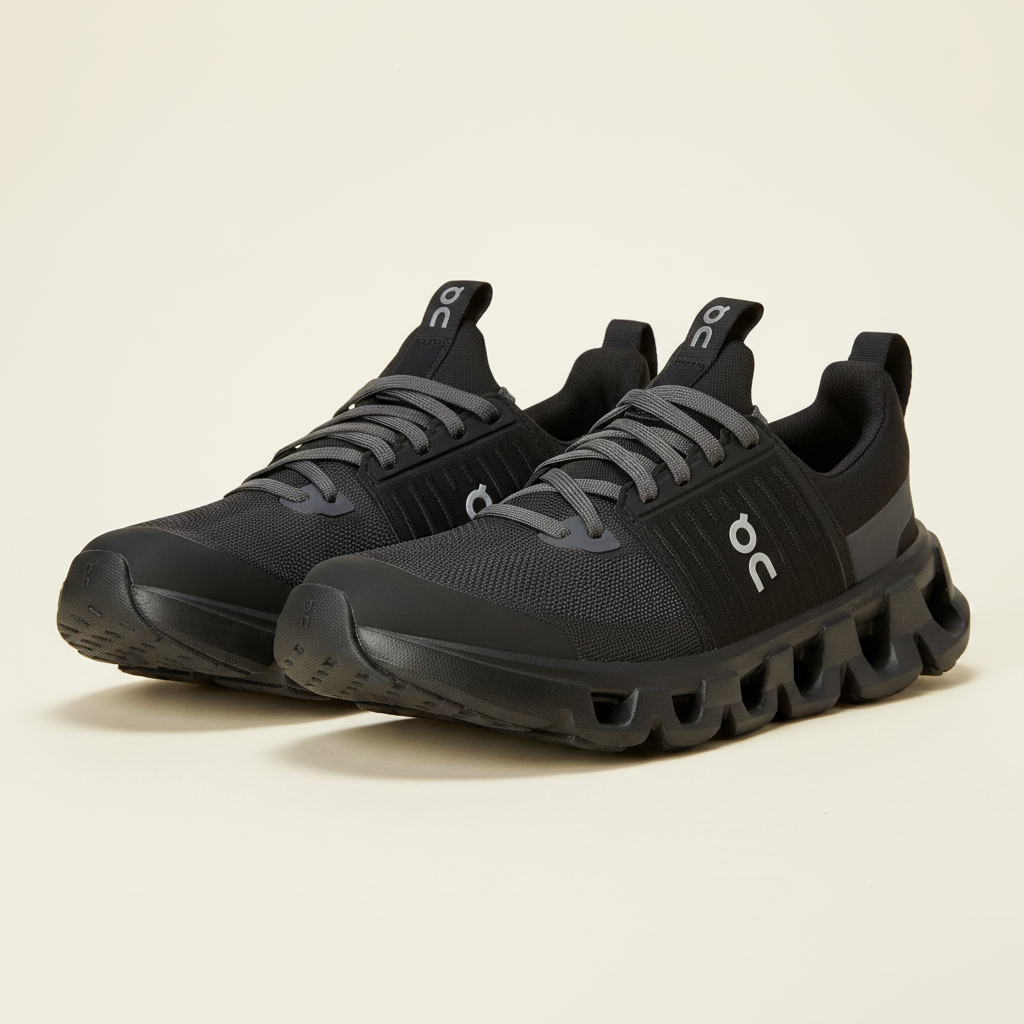
6. Running-specific socks. Not your everyday socks. Look for "no-show" performance socks with arch support and seamless toes. Blisters end runs.
The "modest running outfit" formula
The combinations that work, by season:
- Summer (75°F+): Long-sleeve light-color technical top + running skirt with liner. Cap optional but recommended.
- Spring/Fall (50–75°F): Long-sleeve dark-color technical top + running skirt with liner OR running tights.
- Cold (under 50°F): Long-sleeve technical top + tights + a lightweight running shell over it. Add gloves and a wicking headband.
The shell layer matters in winter. Cotton sweatshirts trap sweat and turn into ice packs. A real running shell breathes.
What to skip
- Denim anything. Not on a run. Not even for a quick run to the corner. The fabric doesn't move with you and holds water like a sponge.
- Loose cotton tees. They're going to ride up and stick down at the same time.
- A skirt without a liner short. The wind will betray you. Always.
- Bike shorts as your only base layer. Too short, too tight, ride up. A compression short with a 4–6 inch inseam is the move.
The mileage break-in rule
New shoes, new tops, new tights — none of it goes straight to a race. Run a few easy miles in each new piece first. The school 5K is not the day to discover your new top has a seam that rubs.
This applies double to the skirt-with-liner setup. The first time you wear it, run 2 miles. Confirm it stays put. Then build up.
How to layer for a 5K in changing weather
The classic problem: it's 55°F at the start, 70°F by the finish. The fix is layers you can ditch.
- Long-sleeve technical top under a lightweight wicking quarter-zip.
- Quarter-zip comes off after mile 1 and ties around your waist.
- Cap stays on. Sunglasses if it's bright.
If you're running in a group and there's a meet-up spot mid-race, you can shed the quarter-zip there. Otherwise, tie it.
A note on sports bras
Worth one line: a running-specific high-impact sports bra makes everything else work better. Look for full coverage, wide bands, and compression. Get fitted if you can. This is one piece worth investing in.
What lasts
Technical fabric stretches and pills with use. Most performance pieces are good for 18–24 months of regular running before they need replacing. Tights tend to go first (waistbands stretch). Tops last longer if you wash cold and skip the dryer.
The skirt with built-in liner usually outlasts everything — the outer fabric is more durable than the technical tops underneath.
A small Torah aside
There's a quiet idea in the way we dress for movement — that the body is on loan, and we treat it with the same care we'd give anything we plan to return in good shape. Real running clothes are part of that. They let you keep showing up.
Browse the activewear pieces in the women's edit for technical tops and skirts. Filter to skirts for the running-skirt category specifically. And for the strength-day crossover, see our modest workout clothes piece for the full gym setup.
The race is in three weeks. You have time to break it in.
Stay in the loop
Get the weekly edit in your inbox
Frequently asked
- How do I choose sizes for Modest Running Clothes That Actually Wick (And Don't Ride Up)?
- Check each retailer size chart before ordering, especially for kids sets where tops and bottoms can fit differently.
- Are these pieces good for siblings or family matching?
- Yes. The strongest picks are the ones that share a color story or print without requiring every child to wear the exact same item.
- What should I order first?
- Start with the item most likely to sell out, then add coordinating basics only if they work with clothing you already own.
More from The Edit